
Sanches Arins, Susana
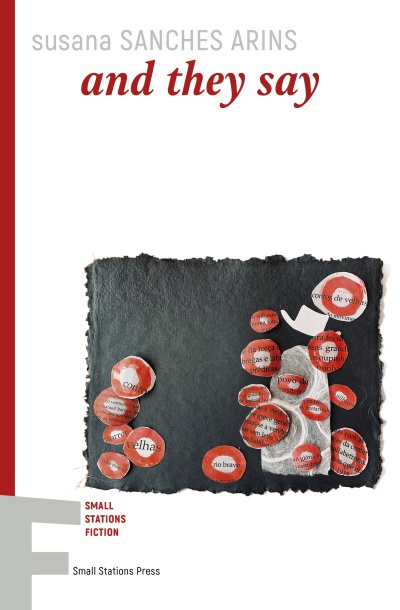
AND THEY SAY
by Sanches Arins, Susana
and they say is a dazzling piece of writing by contemporary galician writer susana sanches arins. suffering is a black stormcloud on a sunny day. the trouble with remembering is it can cause damage. but it can also heal. the translator of this book, the north american professor kathleen march, suggests that and they say (seique in the original galician) is its own genre and what really matters is telling (recovering) the truth. it is a story of betrayal, unspeakable cruelty, and the odd (breathless) act of compassion. it is the recuperation of the collective memory of the spanish civil war (1936-39) and its aftermath, when fugitives were caught and bodies thrown into ditches, when it was dangerous to answer your door at night. it is an essay that records testimonies, acknowledged and anonymous, of some of the dark nights that characterize this period of spanish history. it is poetic (if poetry can be cruel). it is also tragic, down to the repeated appearance of the chorus, which seems to reflect on, to reinforce, the central message: memory can be painful, but it is best acknowledged, so that the mourning can take place and the survivors can move on. this book, expertly collated, is a masterpiece of writing on the spanish civil war, an essential piece in the puzzle of those years.
Publication Date: 03 November 2021 / Language: English / Paperback: 250 pages / Dimensions: 203 x 133 mm / Price: Consult the catalogue
Amazon.com / Amazon.co.uk / Amazon.es / Barnes & Noble
Structurally innovative and candid in what they convey, the short passages that make up and they say take on a greater weight over the course of this narrative. This is a book that avoids easy categorization; instead, it pushes forward into history and memory, on its way toward disquieting truths.
Susana Sanches Arins is featured by Words Without Borders in 7 New Voices in English Translation to Read Now and 9 Writers to Read on International Mother Language Day
An extraordinary empathy flows through the pages of and they say. The text considers the suffering and joys of all the living beings it enfolds, from oxen dragging heavy loads through to school children arguing over what duty they have to consider the wrongs of the past decades after the fact. One of the book’s most striking elements is its readiness to embrace and own the fallibility of the author herself. Several times, we see accounts being challenged and revised. Readers even pop up in the text, disputing what was claimed pages before or correcting details. Memory, Arins repeats, is a ‘slippery eel’ and it would be ridiculous to claim that she has some sort of unquestionable authority (the sort of authority paraded by uncle manuel, perhaps) simply because she has set her words down in a book.